Click on the link below to read the post from Food Allergy Assistant:
http://www.foodallergyassistant.com/2010/03/allergy-gene-identified.html
Thursday, March 11, 2010
Eosiniphilic Esophagitis--CHOPS study of possible allergy gene identified
Wednesday, February 10, 2010
Steps to Successful Feeding
Listed below are ways to create a positive feeding experience for your child, starting with early feeding experiences. It is important to realize that the caregiver and child both have different roles and responsibilities during meal time and showing respect for your child’s choices leads to trust and increased success.
- Let your baby guide you during meals. Wait for cues that let you know he is ready for a spoonful and avoid force-feeding. If your child is refusing food, force feeding will only result in further refusal. There may be an underlying reason for the refusal and you should consult your feeding specialist for further evaluation.
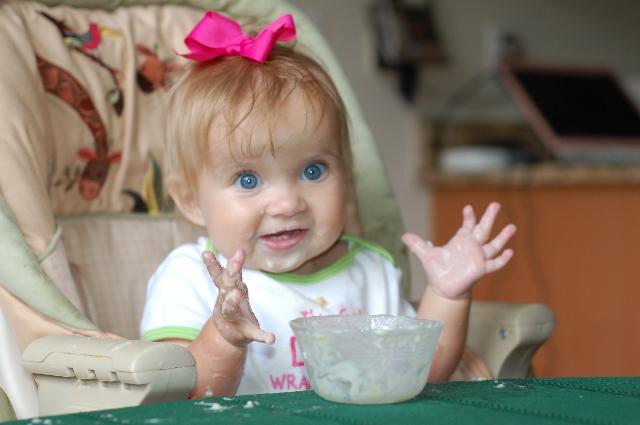
- Messy, messy, messy! Put the ‘clean freak’ side of you aside and allow your baby to make a mess. Exploring food textures is part of the feeding experience and you will be surprised at what your child will be willing to eat when he is allowed to have some independence!
- Give choices and offer a favorite food in addition to new or undesired foods. Make realistic expectations. It may take several tries for your child to accept a new food. If he refuses the first presentation, continue to offer the food and incorporate it into several meals.
- Pair a new food with an accepted food. For example, if your child loves to munch on club crackers, mash a new, soft fruit or vegetable on the cracker or dip in various purees or dips. Place it on the tray for independent feeding.
- The parent’s role is to provide the choices for the meal and to decide when and where to eat. The child’s role is to decide what and how much to eat. If your child is taking an inadequate amount of food, provide plenty of encouragement but do not force. Seek professional help if your child continues to refuse foods.
- Provide regularly scheduled meals and snacks and stick to your routine. Research has shown that children who ‘graze’ throughout the day with eating end up taking in 25% fewer calories.
- Eat together as a family. Children learn from watching others and keeping a meal time structure at home is a vital part of the feeding process.
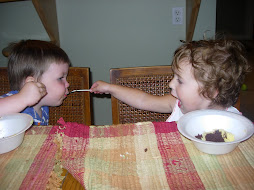
- Schedule play dates for your children and create an opportunity for the children to watch each other eat.
- Talk about food and interact with it in other ways than just eating. Feed the ducks at a local pond, plant a garden in the back yard, take a stroll down the produce aisle, and build food creations at home.
- Remember to be patient with your child’s feeding. If you are stressed out, he will be stressed out. If his anxiety is up and that anxiety is created at each meal, then the stage is already set for unsuccessful feeding. Start now by creating positive associations and a laid back feeding environment.
Kristina M. Starnes, M.S. CCC-SLP
Speech-language pathologist specialzing in Pediatric Dysphagia
Wednesday, January 27, 2010
Q&A--What types of cups should I use with my child?

Hi! I would first begin working with open cup and straw drinking. I use yogurt drinks, baby food puree mixed with formula, milk, or water and sometimes powder pudding mix for beginning cup drinking. Thickening slows the flow allowing some independence while learning as well as practice with lip closure. You can gradually thin the liquid as he becomes more efficient.
As far as sippy and transitional cups, I like this one without the valve, playtex tumbler....http://www.amazon.com/Playtex-Coolster-Tumbler-Sippy-Girls/dp/B0011E4HBM as it is similar to open cup and does not require as much suckling when valve is out. Also the toss and go cup he was using at school was fine too as well as straw cups...You should allow him opportunities for open cup drinking and sippy without valves. The suction required for sippy cups, especially with valves, often results in the same suckle pattern with manipulation of foods requiring a consecutive lateral munching pattern. I also like this one: http://citikids.com/ProductImages/24026.1.jpg I forgot about those! I need to get those for my daughter for school :) That was Munchkin brand and so is this one: http://usera.imagecave.com/loveski777/Munchkin%20Dora%20Big%20Kid%20Cup.jpg You can also take valves out of this one as well.
Here is a link to a great article by Melanie Potuck related to this blog topic:
https://www.google.com/amp/blog.asha.org/2014/01/09/step-away-from-the-sippy-cup/amp/
**The cup options are plenty, overwhelming at times and since the original date of this blog there have been numerous changes including discontinuation of cups, new products and other options. I'm including some pictures as examples of some cups currently available! My go to practice cups in therapy are still often the very basic open cup with a thickened liquid to slow the flow and straw practice! I love the spoutless options available and you can never go wrong with the basic disposable coffee cup and lids that you would receive at most restaurants, drive thrust or find at the store. I recently bought a cup at the dollar tree (also pictured). My oldest daughter has claimed this one as you can see by the artwork :). Tervis lids are also ideal.
Please feel free to Share your finds! A child who is having a lot of difficulty transitioning from bottle to any other cup is a different scenario in my opinion. Often the anxiety is very much escalated at the idea of any new presentation and in those instances and other child specific examples, there may be acceptance of the silicone sippy cups and straws and this can open the door for other changes to take place! It's difficult to cover all of the challenges and different scenarios in one post, but finding what you have to work with is essential and taking things one step at a time to reach the long term goal is often the key to success!


Tuesday, January 19, 2010


Monday, January 18, 2010
Email Responses to Families--Establishing your Routine
I have several 'long winded' email replies to some of the Asheville and Western NC families I work with and I thought it might be helpful to organize some of these responses into a more general response for anyone who is searching for some help. I have a list of great resources and blogs on this site and I encourage you to check them out. It has been really nice to find other therapists out there who share the same beliefs and I feel confident in their methods so please check out their posts, articles, books, etc for additional learning as well as some of my older posts. I will try to post a few email responses over the next few weeks. Here is the first (name changed):
"First of all I know dinner time can be anything but enjoyable at times. Not only for you guys who are faced with the challenge of having a very selective eater, for a lot of families in general. I suggest taking the time to fall into a more relaxed, somewhat predictable routine. This could be Sam watching a movie while the meal is being prepared. I would also start talking about what you are having for dinner at the start of the day “Its fish night Sam”-- talk about it again on the drive home from daycare. Stay positive!
Little jobs in the kitchen…can be as simple as Sam picking the plates or pushing some buttons on the microwave. Sprinkling some cheese on the quesadilla, shaking some salt or seasoning on one of the dishes. This will help him feel like a pretty big helper and hopefully be the start of a more relaxed mealtime for all of you. Over here we sometimes turn on the music at dinner or have a candle. The point being to create the routine so he knows what will happen next First this, then that, then time to eat….You want this to be as free of stress as possible and start turning the process into one you all look forward to. I know it feels like so much of a hassle at first but this will get easier. You will probably find your own routine and way to de-stress everyone. I do think it’s important for us as parents to keep the stress out of our lives so the kids don’t pick up on it. For some this may be a walk around the neighborhood (depending on how hungry everyone is and the amount of time you have), for others it may be sipping a glass of wine while preparing the meal or turning on some favorite music.
We talked about some ideas for these dinner time meals today. I’ll make a list of some ideas for you and you can go from there:
“Chicken Night” chicken tenders, sweet potato fries, green veggie (you can substitute different potatoes, fries, tator tots and different chicken for other nights)
“Quesadilla Night” keep it simple, cheese quesadilla. Make another with finely chopped meat or veggie. Refried beans for ‘dipping’ quesadilla or chips
“Breakfast for Dinner Night” Pancakes, bacon or ham—maybe crispier the better right now. Try the savory waffles from www.pickytots.blogspot.com. You can just use a Just Add Water pancake or waffle mix with some chopped or puree veggies and seasonings. Ketchup to dip …why not? J
“Fish night” --he has been eating Dr. Praegger’s ‘fishies’ You could try something in a breaded filet form or serve fish nuggets along with your veggie or other food.
These are foods that are somewhat familiar to him but ‘a little different’ so you may not see a lot of interest right off the bat but it is a good way to introduce food family style. Don’t put too much pressure on yourself for things to be perfect or for him to eat a certain amount. Shift your focus over to creating more of a positive experience for him. You are doing that with the routine, the conversation and meals that are not too far- fetched of a possibility for him. He will get there, it is going to take time but he is already doing some great things in a one on one situation…please please don’t get discouraged that he is not carrying those new foods over right away. Or that he won’t try things in restaurants or pot luck situations…one step at a time, this too shall pass! So start with one goal in mind….”Chicken night” I would show him the chicken before you put it in the oven, before that you can start talking about what you’re having for dinner, then have him pick out his plate and utensils…talk about how he can dip the potato pancakes or tator tots or sweet potato fries (whichever you are having) in ketchup. This helps plant the idea and image in his mind…making it more likely that he will want to try these things that you talked about. Don’t beat yourself up over the fact that he may refuse his food. Like anything else a new routine will take time. I would also give him a small portion of crunchy food to ‘wake up his mouth’ and possibly something to chew on during the meal. He did this over the last 2 sessions and I feel he responds well to that additional sensory feedback. You could even give him a few crunchies between some of his food. Have a great week!"
Here is a short video clip of my little helper in the kitchen. You can always see the satisfaction in her smile when we sit down to eat and I say "Guess who made this pasta? She pushed the buttons on the microwave and even stirred in the butter and cheese by herself!"
Subscribe to:
Posts (Atom)


 Posts
Posts


